The BBC World Service
Reaching 320 million people weekly, the BBC World Service is globally trusted for its fact-based journalism, delivering independent, impartial, and accurate news in 42 languages across 60 countries.
Since 2022, I’ve been working as the Senior UX Designer for the BBC World Service team. In this role, I lead the user experience strategy for our global digital products, including 42 language websites and until recently, four World Service apps
My focus is on ensuring these platforms are intuitive, accessible, and engaging for our diverse global audience.
What makes the World Service truly unique is the breadth and diversity of our users. We design for audiences with different cultural backgrounds in varying socioeconomic contexts and with a wide range of digital literacy levels and linguistic needs.
This complexity makes our work both challenging and rewarding, as we strive to create inclusive experiences that resonate across the globe.
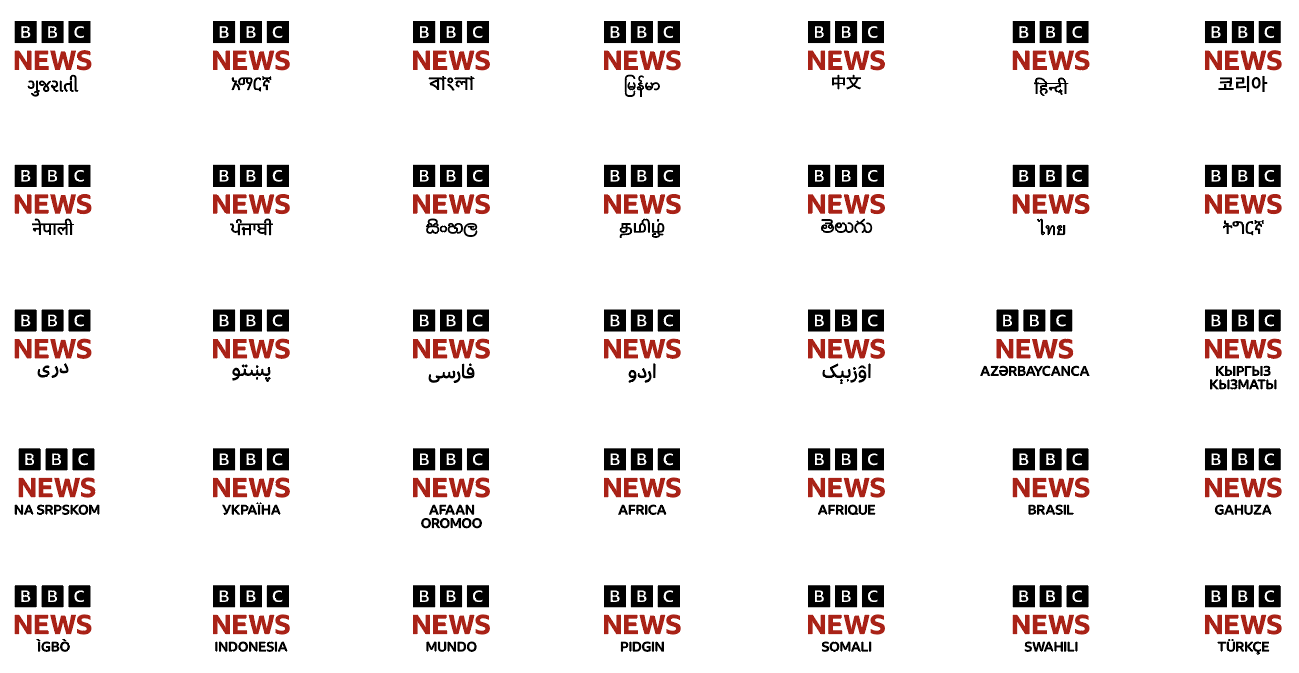
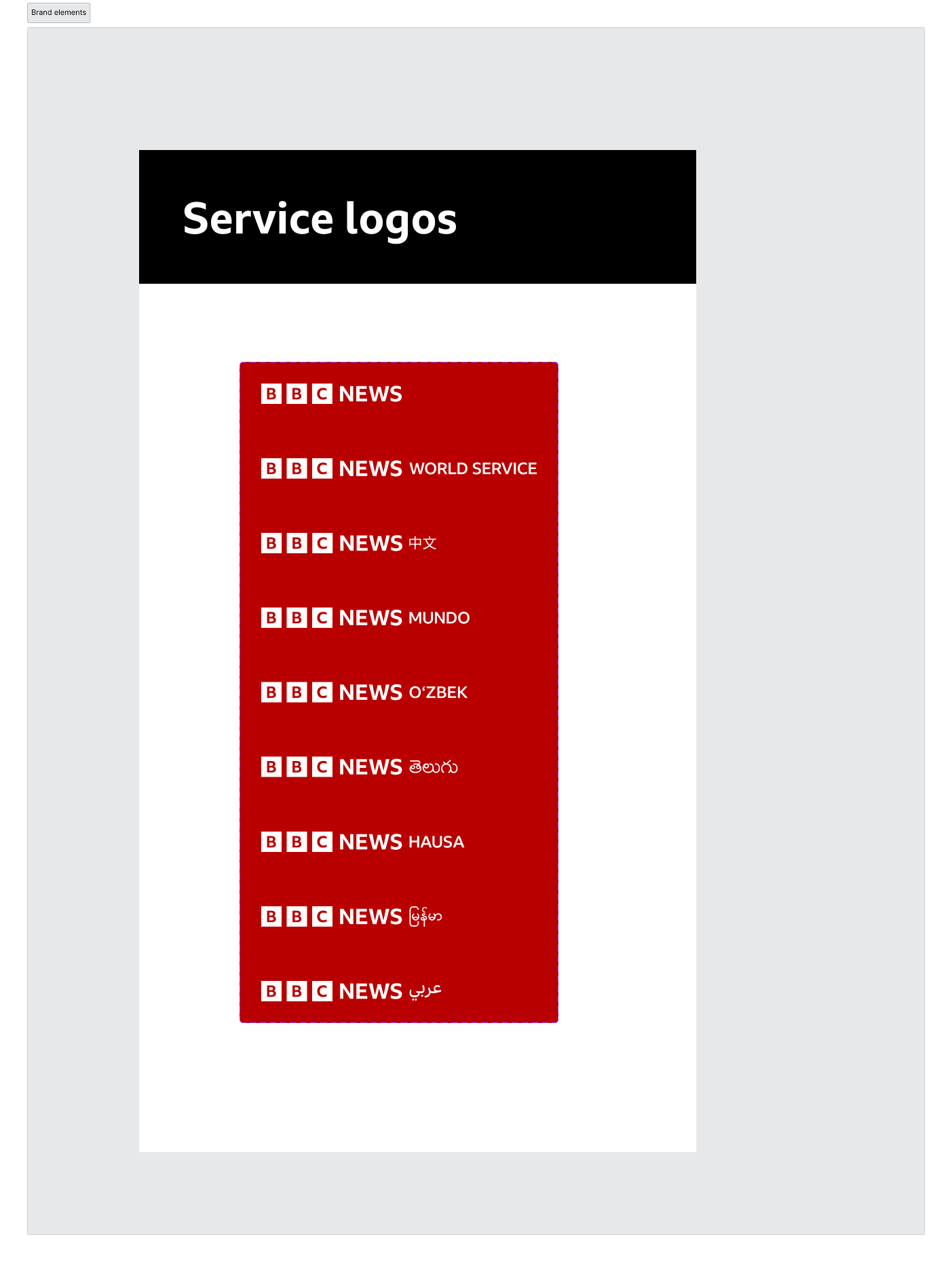
The BBC World Service Logos
1. Designing Consistency at Scale: The Chameleon
Project Across BBC Services
As part of our mission to create a consistent experience
across all BBC services, we were tasked with applying the new visual identity
across the World Service digital products. This was a collaborative effort with
the external agency Wolff Olins, and it marked a significant step in aligning
our platforms with the broader BBC brand.
In the early stages of the project, we conducted an in-depth
audit of our existing interfaces. This helped us identify key areas that
required further exploration, particularly where the new visual language
intersected with the unique needs of our multilingual and culturally diverse
audiences.
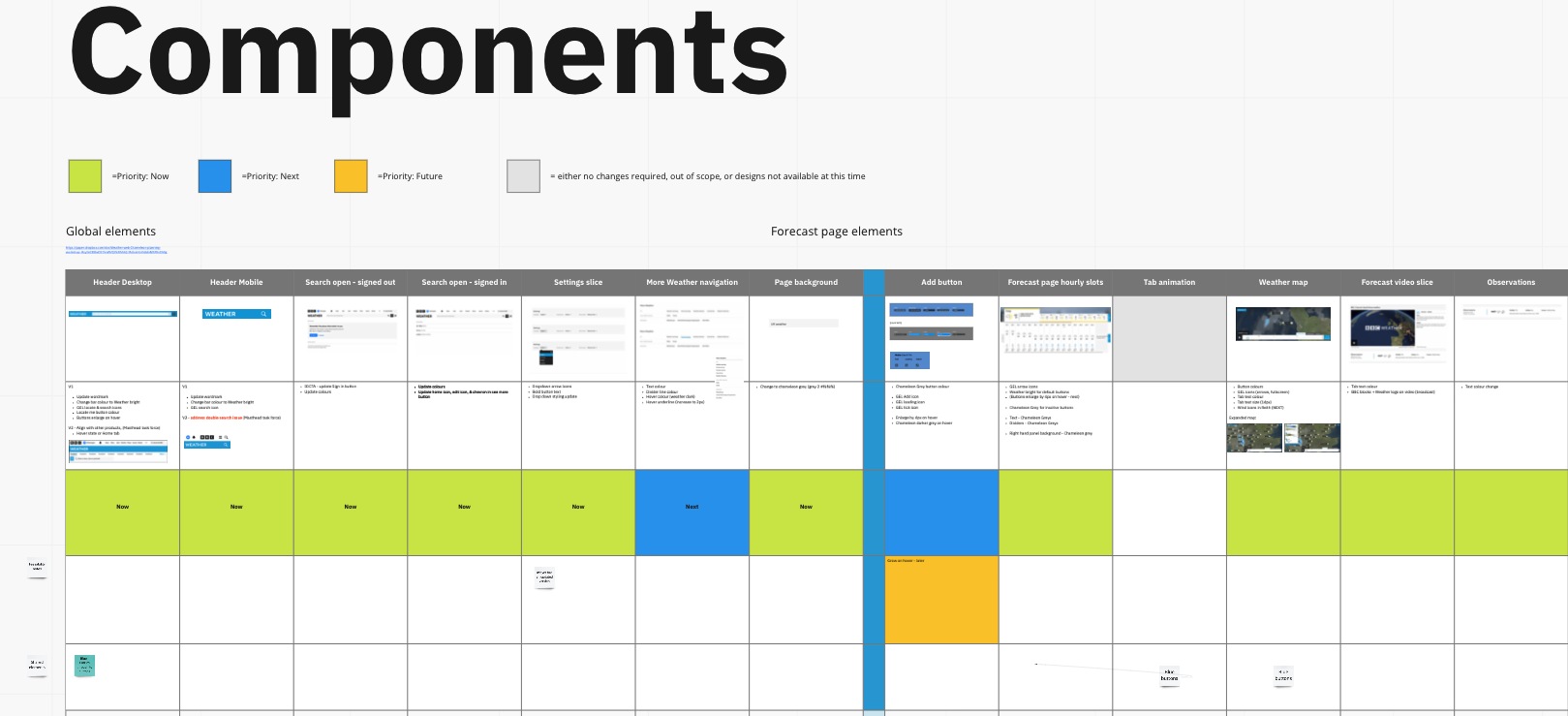
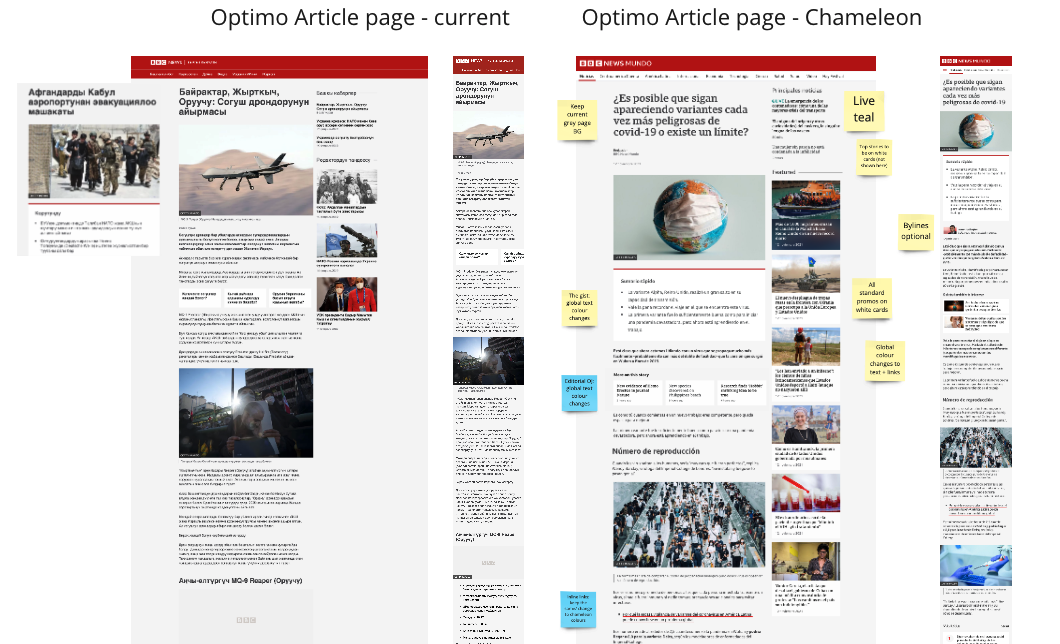
My role in this project was to coordinate the next phases of the work. I worked closely with product managers to plan and implement the visual updates, ensuring that the changes were not only aligned with the new identity but also sensitive to the nuances of our global user base.
Continuous Evolution: A Living Design System for the World
Service
While the initial
phase of the Chameleon Project focused on aligning the World Service with the
BBC’s new visual identity, our work didn’t stop there. Recognising the need for
long-term scalability and efficiency, I led the creation of a dedicated World
Service Design System—a foundational step toward consistent, accessible, and
culturally sensitive design across our 42 language services.
Our product team
is using a platform distinct from the UK site, yet we follow the same GEL
(Global Experience Language) principles. This means creating or adapting shared components
to meet the unique needs of global audiences—whether that’s accommodating right-to-left
scripts, non-Latin alphabets, or diacritic-rich languages.
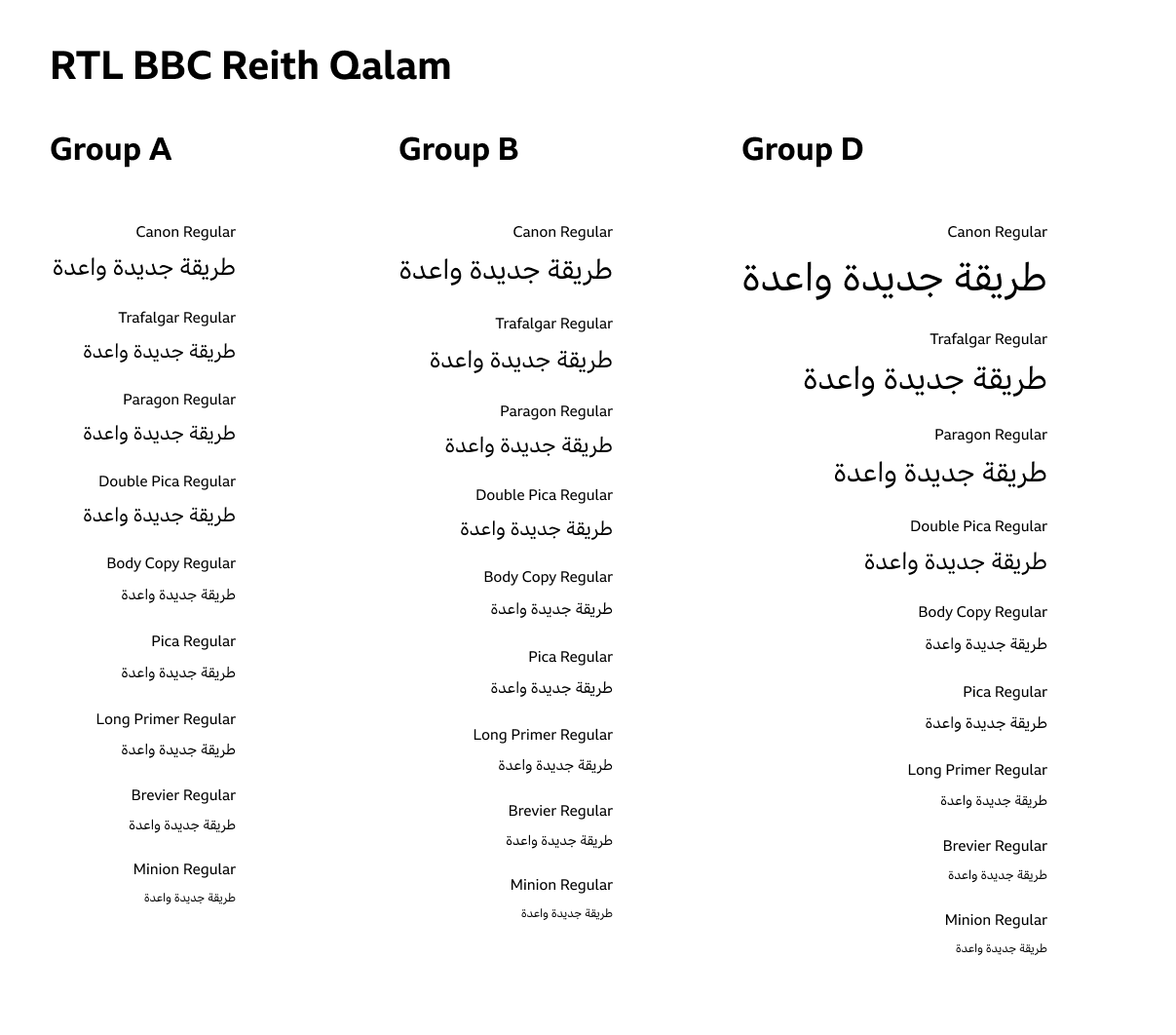
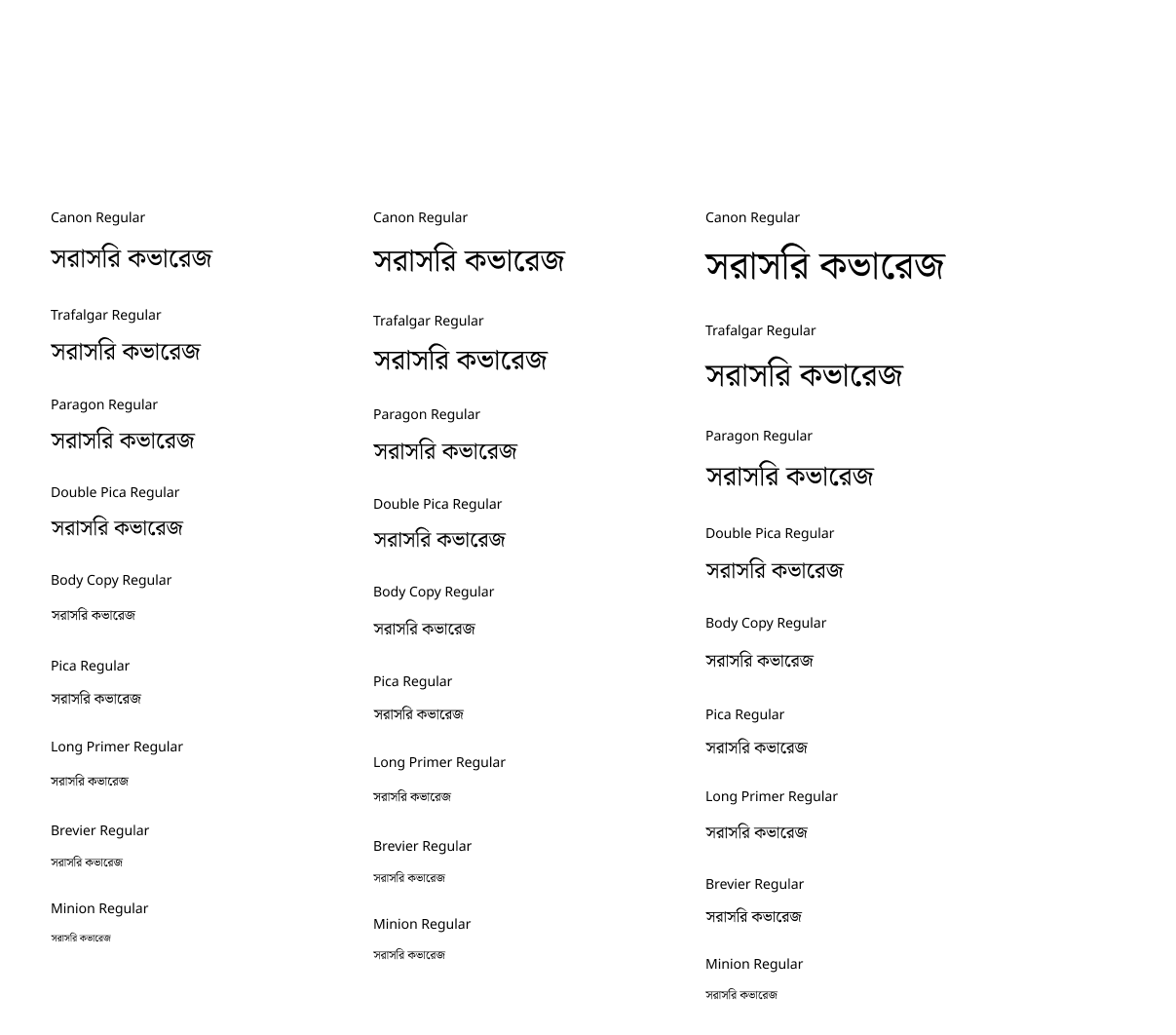
Example of the World Service scripts ( Arabic,Bengali)
Initially, we faced
challenges: inconsistent implementations, duplicated efforts, and late-stage
accessibility fixes. To address this, I conducted a comprehensive audit of our
design elements and introduced an atomic design approach to structure our
components—from basic elements like buttons to full-page templates.
More recently, in
collaboration with an agency hired contractor, we’ve taken a significant leap forward by migrating
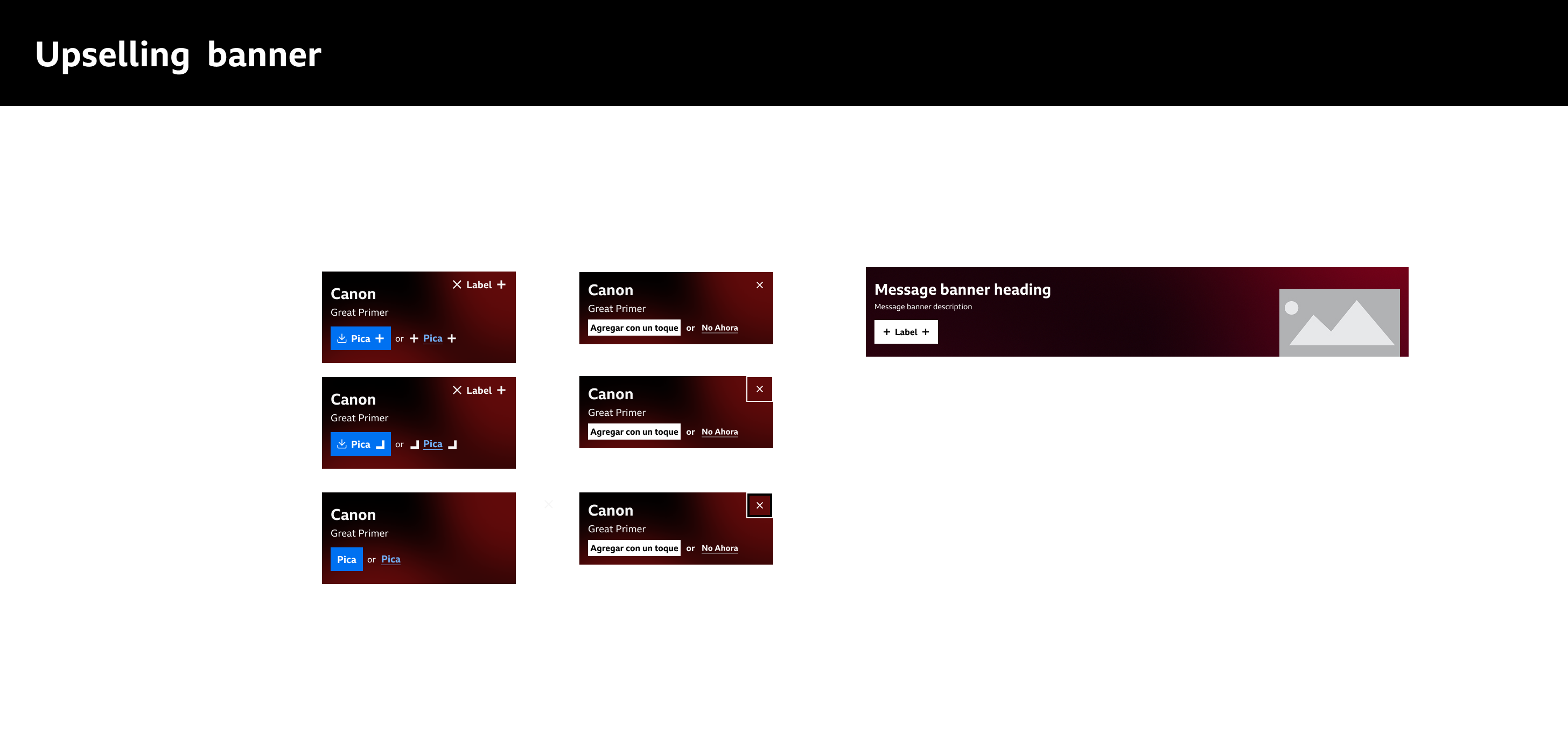
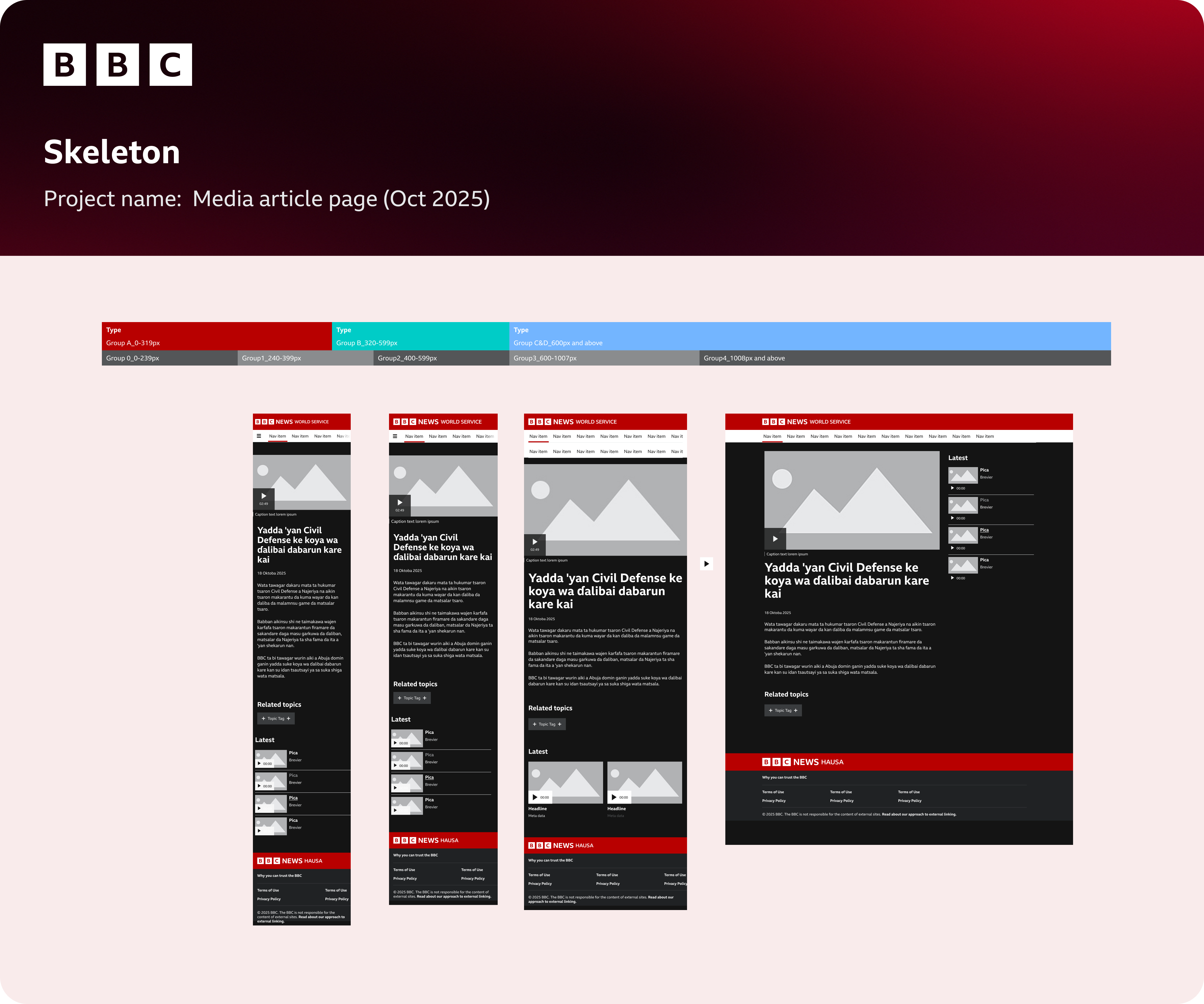
our design system to Figma. This included building a new design library that
leverages Figma Variables to support multilingual typography needs—ensuring
flexibility for scripts like Latin, Arabic, Chinese, and Devanagari. This work
is still evolving, but it’s already enabling faster iteration, better
documentation, and a more unified experience across our global products.
UX Research
A major challenge for the World Service UX team was the
limited understanding of user needs across our diverse global markets. With a
constrained research budget and a historic UK-centric focus, we often lacked
the tailored insights necessary to inform design decisions that truly reflected
the behaviours, constraints, and expectations of our international audiences.
This gap risked misaligned designs and missed opportunities to serve users
effectively.
My Role
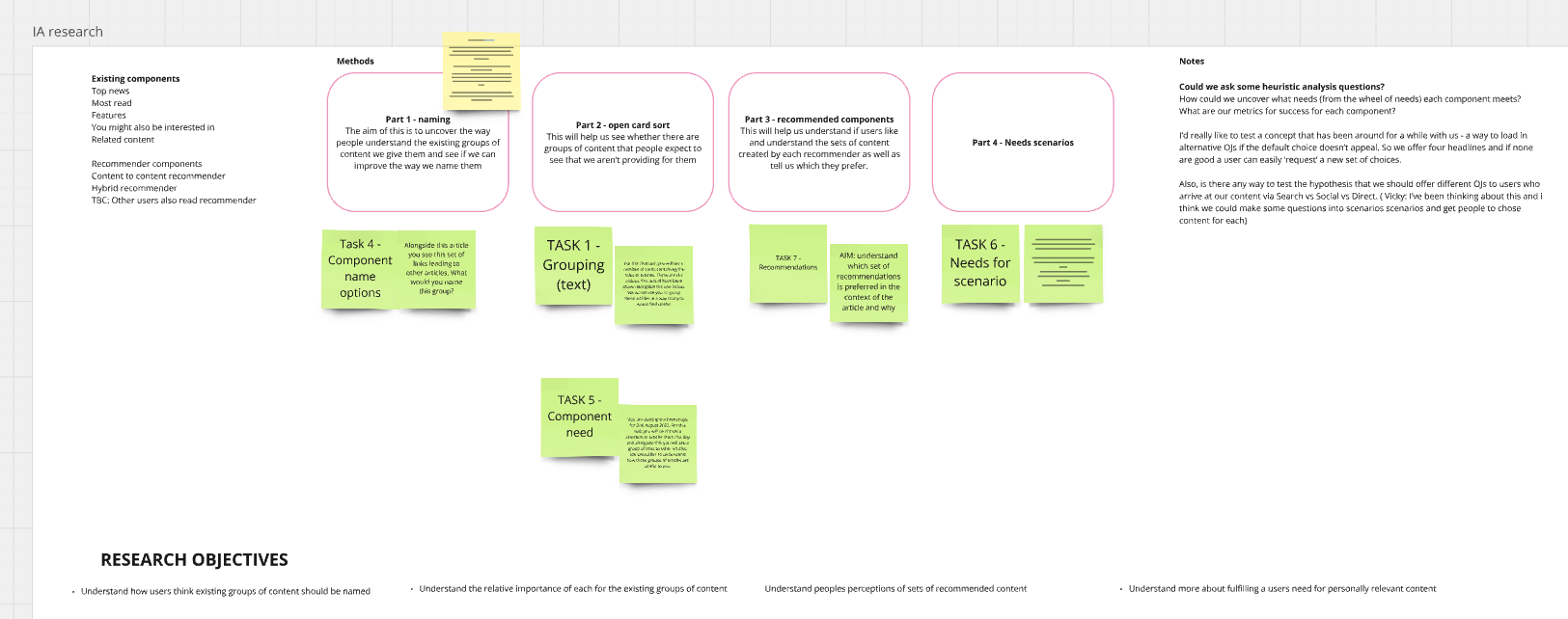
To address this, I took a strategic and hands-on role in scaling our UX research efforts. I began by consolidating existing insights into a centralised World Service research repository, making it easier for the team to access and build upon past findings. I led workshops with our UX team and researcher to prioritise 50 documented global user needs, and conducted a targeted survey in India—our largest market—using archetype models to identify the most critical needs with the highest satisfaction impact. These insights directly informed our design priorities.
To address this, I took a strategic and hands-on role in scaling our UX research efforts. I began by consolidating existing insights into a centralised World Service research repository, making it easier for the team to access and build upon past findings. I led workshops with our UX team and researcher to prioritise 50 documented global user needs, and conducted a targeted survey in India—our largest market—using archetype models to identify the most critical needs with the highest satisfaction impact. These insights directly informed our design priorities.
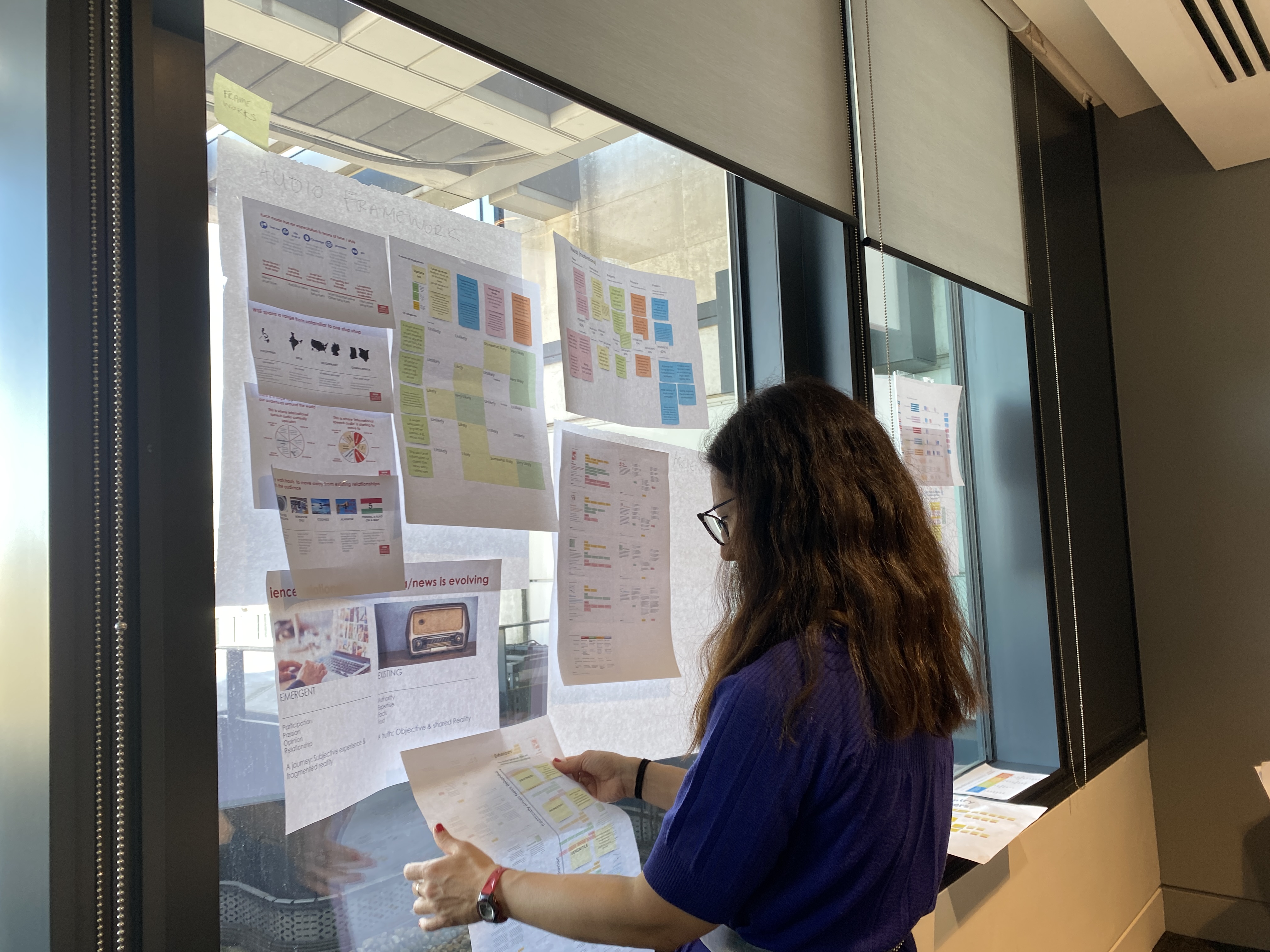
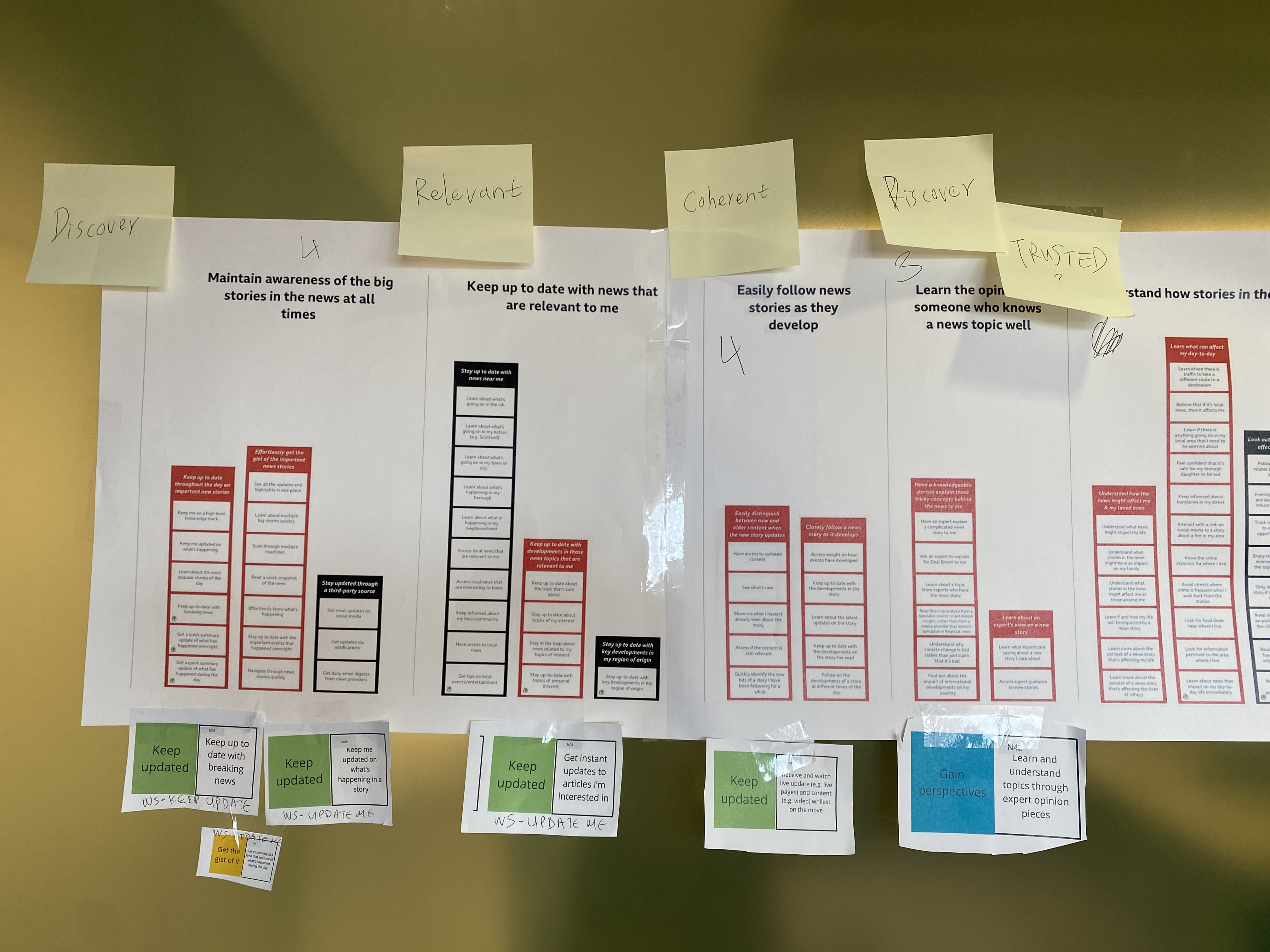
Disocvery Sprints and prioritising ideas to test
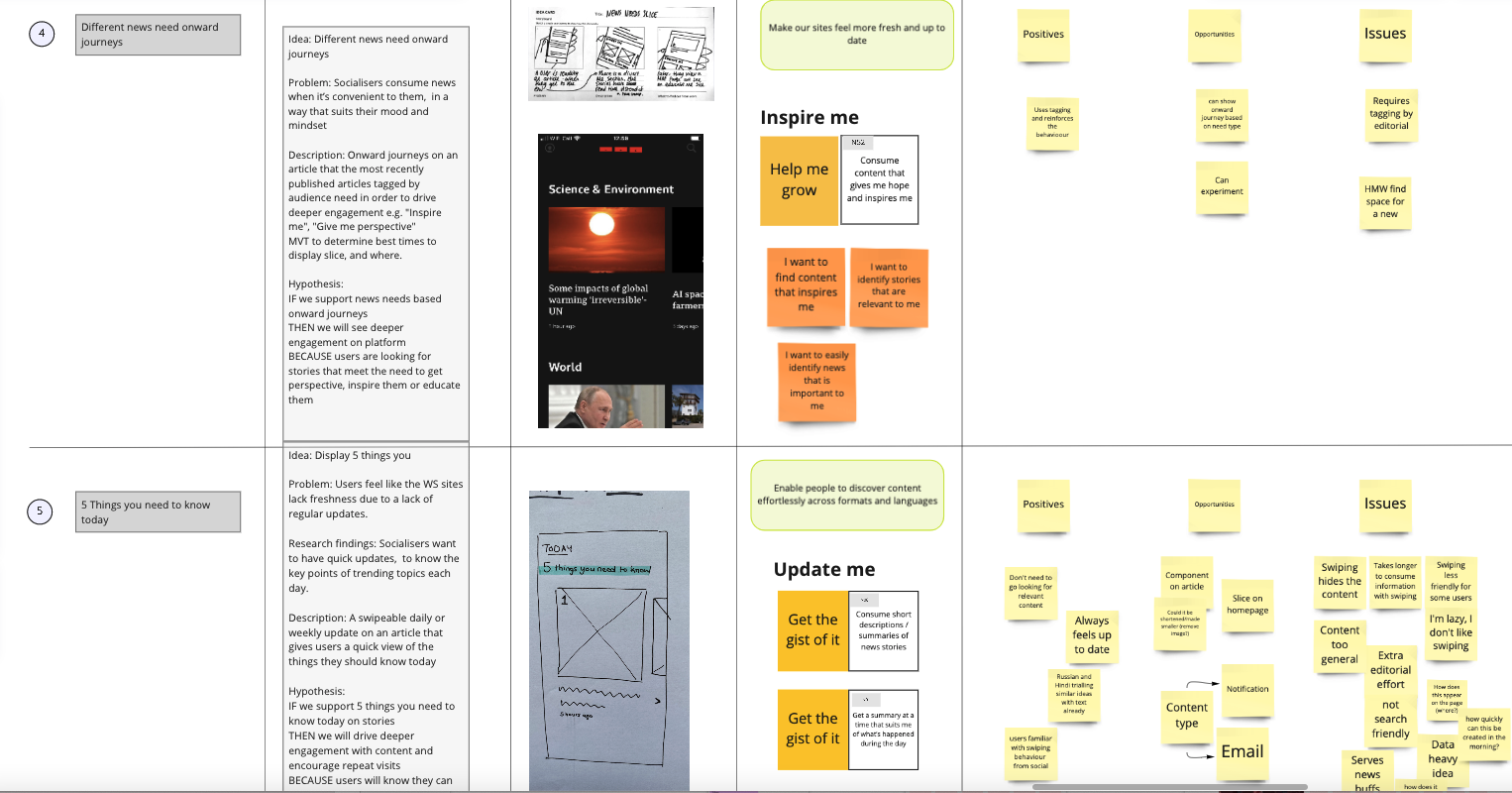
To foster innovation, I organised and facilitated design sprints focused on content discovery, mobile experiences, and multimedia consumption.
Read here about guiding a brand-new mixed-agency product team through their first discovery sprint, building shared understanding, confidence, and a clear roadmap for the next quarter.
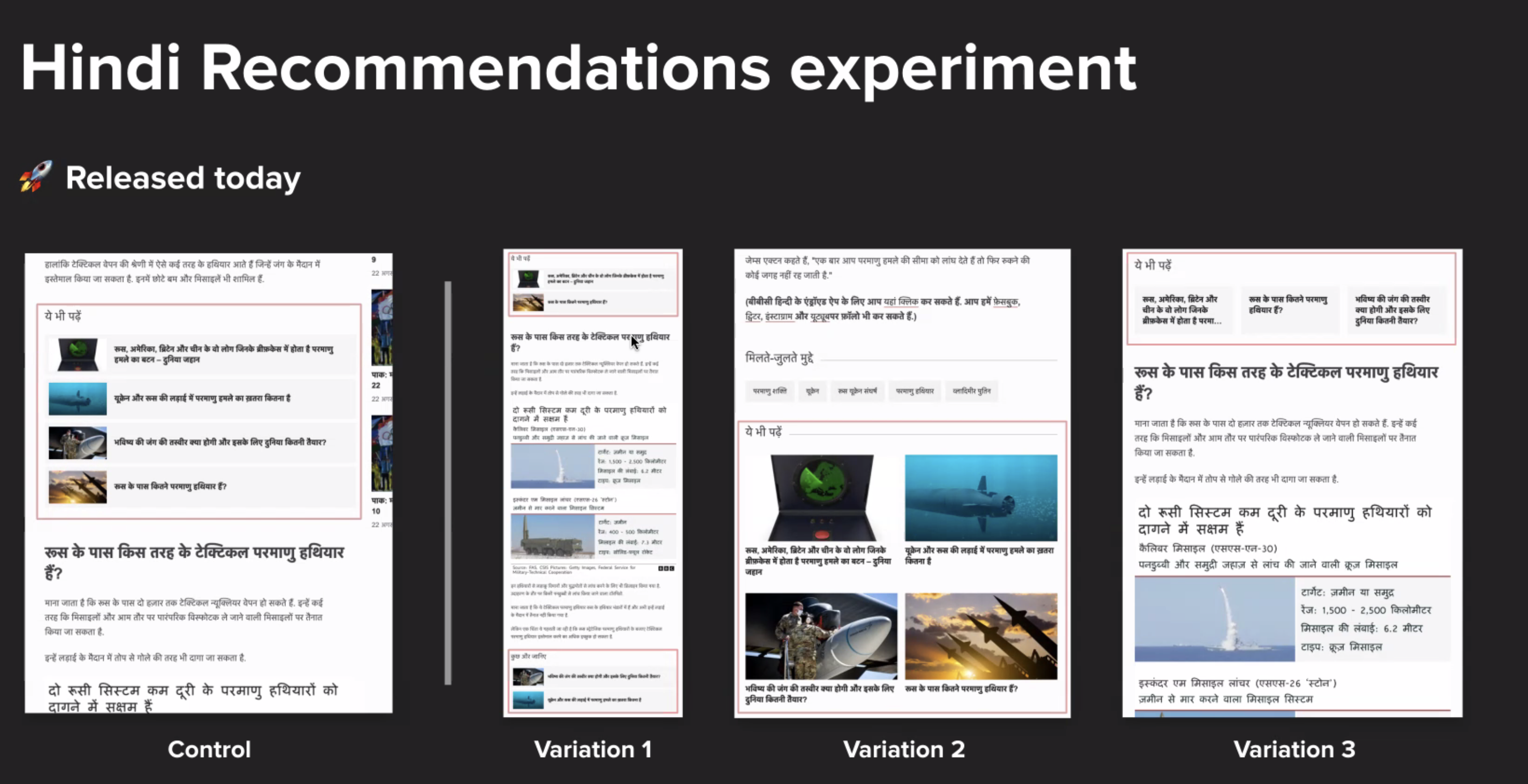
I also developed a framework for UX experimentation, enabling structured A/B testing and iterative design improvements.
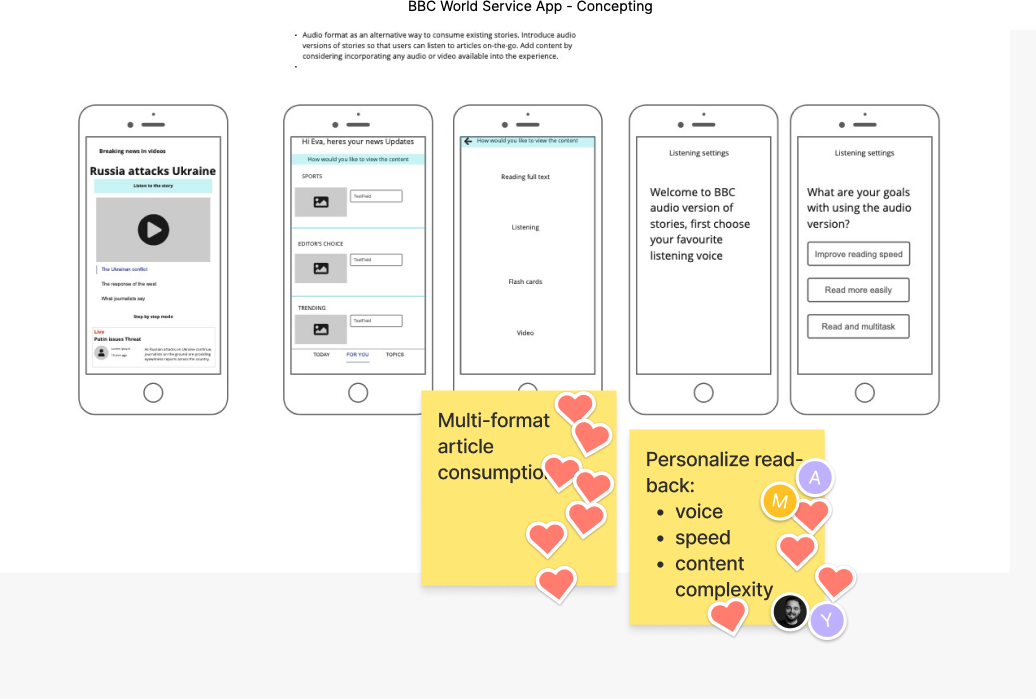
Read here about my work on runing a UserZoom study with Spanish Speaking audiences to explore awareness and adoption habits of Web Apps.